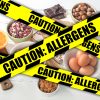
It’s never been more crucial for businesses in the food and drink industry to label their products in a manner that clearly showcases allergen information. In the UK, around 10 people die each year from food induced anaphylaxis reactions and the number either being born with allergens or developing them is on the rise.
Labels on food and drink packaging enable humans to enjoy consumption safe in the knowledge they won’t be harmed. The severity of what can happen when food isn’t labelled appropriately were exposed on the 29th of September 2018, in a dreadful tragedy.
15 year old Natasha Ednan, from South-West London, had a fatal reaction to sesame after eating a baguette from the popular sandwich chain Pret a Manger. At the time, fresh food sold in house was not lawfully obligated to provide allergen information.
After the incident Natasha’s parents gathered a formal inquest to put pressure on Michael Gove the secretary of state for environment food and rural affairs, to change the system. Since then, Pret a Manger have vowed to label all food products in their 400 stores across the UK by the end of summer 2019.
It could be assumed that decisions associated with something so important would be deemed common sense, but there are plenty of companies that have progressed with label artwork, despite there being unclear information.
So what can a company do to ensure consumers are able to read allergen information from labelled packaging clearly?
Make the text apparent and comprehensible – The information provided for allergens is futile if it cannot be read. This design by Corkers Crisps is a perfect example of clear allergen labelling.

The white text on dark background makes ingredients information clear for the reader
Language – The text on the labelling should be in a language that can be read by the citizens of the country where the food is marketed. For example, food products sold in the UK should have the information in English.
Listing common allergens in bold – Reading the full ingredients information is strongly advised but by stating common allergies in bold it emphasises cautionary elements.
May contain – A lot of food manufacturers use voluntary labelling to indicate the possible accidental contamination of an allergen. The Food Standards Agency has produced guidance for the industry on allergen control.
If you require labels for your food packaging please get in touch and one of our experienced advisers will talk you through it.